Probate Real Estate Experts Serving Minnesota Families
We help personal representatives, executors, and families sell inherited homes

Why Home Staging Matters When Selling a Home in Minnesota
This blog explains why home staging matters when selling a home and how it impacts buyer perception, offers, and time on the market. It breaks down what staging really is, which rooms matter most, and why proper presentation helps homes stand out online and in person, especially in the Minnesota real estate market.
SELLERS
NS Team
2/1/20263 min read


Why Home Staging is Your Secret Weapon in Today’s Market
What Savvy Sellers Need to Know Before Listing
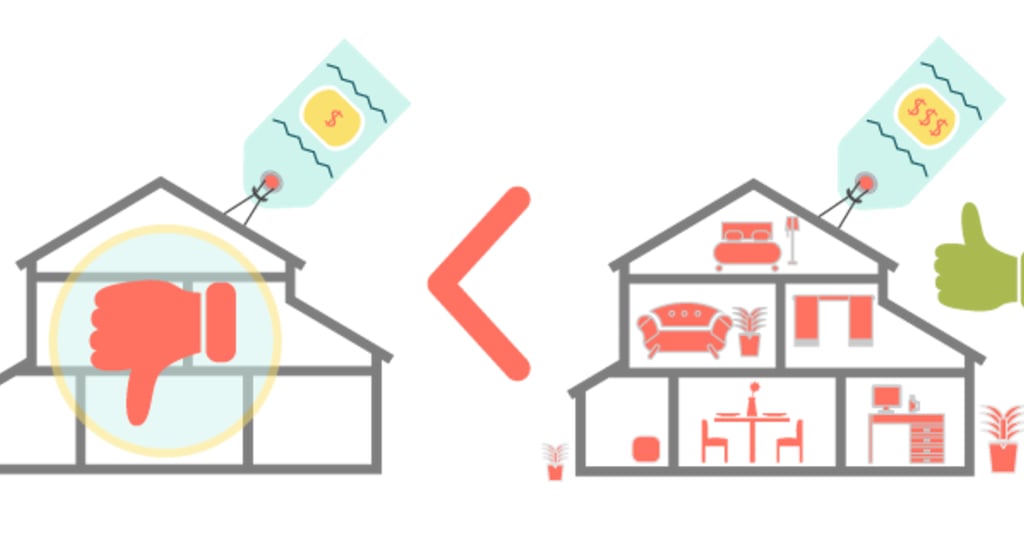
Home staging is often misunderstood. Many sellers view it as a "nice-to-have" luxury or an unnecessary expense. In reality, staging is a calculated pricing and marketing strategy designed to build buyer confidence and drive higher offers. According to the 2025 Profile of Home Staging Report by the National Association of REALTORS® (NAR), staging has a measurable impact on buyer perception and time on market. Whether you're in the Twin Cities metro or a quiet rural community, the psychology of the buyer remains the same.
What Exactly Is Home Staging?
Staging is the art of preparing a property so buyers can instantly grasp its layout, functionality, and potential. It’s about clarity over clutter. Key focus areas include:
Decluttering: Removing the "noise" so the architecture can speak.
Depersonalizing: Helping buyers see their life in the house, not yours.
Highlighting Flow: Ensuring every room has a clear, functional purpose.
Maximizing Light: Making spaces feel open, airy, and move-in ready. The goal isn’t to create a museum; it’s to remove the mental hurdles that prevent a buyer from saying "yes."
Does Staging Really Work?
The data says yes. National trends consistently show that staging changes the way buyers "feel" about a home—which translates into dollars. According to the 2025 NAR Report:
83% of buyer’s agents say staging helps clients visualize a property as their future home.
60% of agents report that staging positively impacts a buyer's overall perception of the home’s value. In competitive markets, buyer confidence is the primary driver of offer quality. If a buyer can’t figure out where their sofa goes, they’re less likely to commit.
High-Impact Rooms: Where to Focus Your Budget
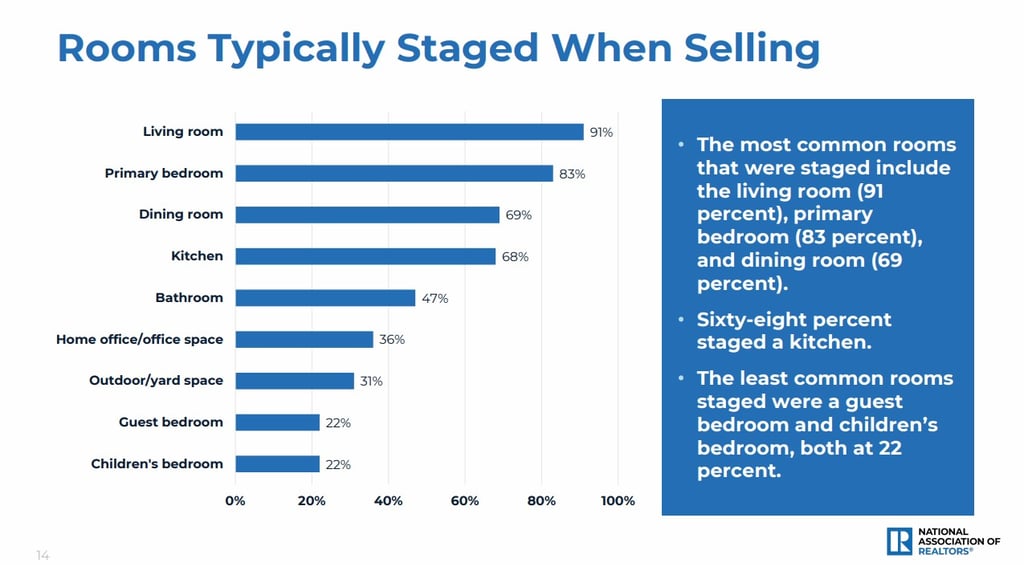
You don’t have to stage the entire house to see a return. If you're on a timeline or budget, prioritize these "anchor" rooms:
The Living Room: Usually the first impression.
The Primary Bedroom: The "sanctuary" that sells the lifestyle.
The Kitchen: The heart of the home and a major value-driver.
The ROI: Can Staging Increase Your Sale Price?
Staging is often cheaper than your first price reduction. Sellers’ agents surveyed by NAR reported:
19% saw offer increases of 1% to 5%.
10% saw increases as high as 6% to 10%. In a market where every percentage point counts, a small investment in presentation can lead to a significant windfall at the closing table.
The Digital First Impression
In the age of AI-driven search and social media, your home is "toured" online long before a buyer steps through the front door. NAR data ranks these as the most important factors for online listings:
High-Quality Photos (Staged homes photograph significantly better).
Physical Staging.
Video & Virtual Tours. Staging ensures your home stands out on the MLS, Google, and AI-powered search tools, leading to more "saves," more shares, and ultimately, more showings.
Can You DIY Your Staging?
Absolutely. While professional stagers are invaluable for vacant homes or high-end estates, many sellers can handle the basics:
Edit the Furniture: Remove excess pieces to make rooms feel larger.
Clear the Counters: Create a "model home" look in kitchens and baths.
Brighten Up: Replace old bulbs and open the heavy curtains to let in natural light.
The Bottom Line
Home staging isn't about décor—it's about buyer psychology. When a home is staged, buyers understand it better, respond more emotionally, and offer more competitively. A staged home doesn't just look better; it sells smarter.
Frequently Asked Questions
Does staging help in a "Seller's Market"? Yes. Even when inventory is low, staging helps you maximize your price and ensures the deal doesn't fall through due to "buyer's remorse."
Do I need to rent all new furniture? Not necessarily. Often, "soft staging" (using your existing furniture but rearranging and adding fresh accessories) is enough to transform a space.
Is staging cheaper than a price reduction? Almost always. The average cost of staging is typically much lower than the first price drop a seller makes when a home sits on the market. Instead of chasing the market down with price cuts, staging helps you position the home as a "must-have" from day one, protecting your equity and saving you time.